
First-Time Car Buyer? Follow These Tips Like a Pro

Looking to purchase your first 4-wheel ride? Congratulations! Getting your first car is a huge milestone and we have some must-know tips for first-time car buyers in Malaysia.
Whether you’re planning to buy it with your own savings or receiving your car as a gift, being a car owner is a commitment and can be life-changing for some. Plus, there are several important factors to consider depending on whether you’re buying a brand-new car, a used one, or an electric vehicle. Knowing what to check before making your purchase can save you from costly mistakes and ensure a smoother buying experience, and we’re here to guide you every step of the way towards owning your first dream car.
Read more:
- 6 signs your car’s shock absorber needs to be changed
- 7 signs you need a new car to replace your current one
- A tree fell on my car: Can i make an insurance or takaful claim?
What to Check Before Buying a New Car
Here are 8 must-know first-time car buyer tips in Malaysia.
1. Know Your Why When Purchasing a Car
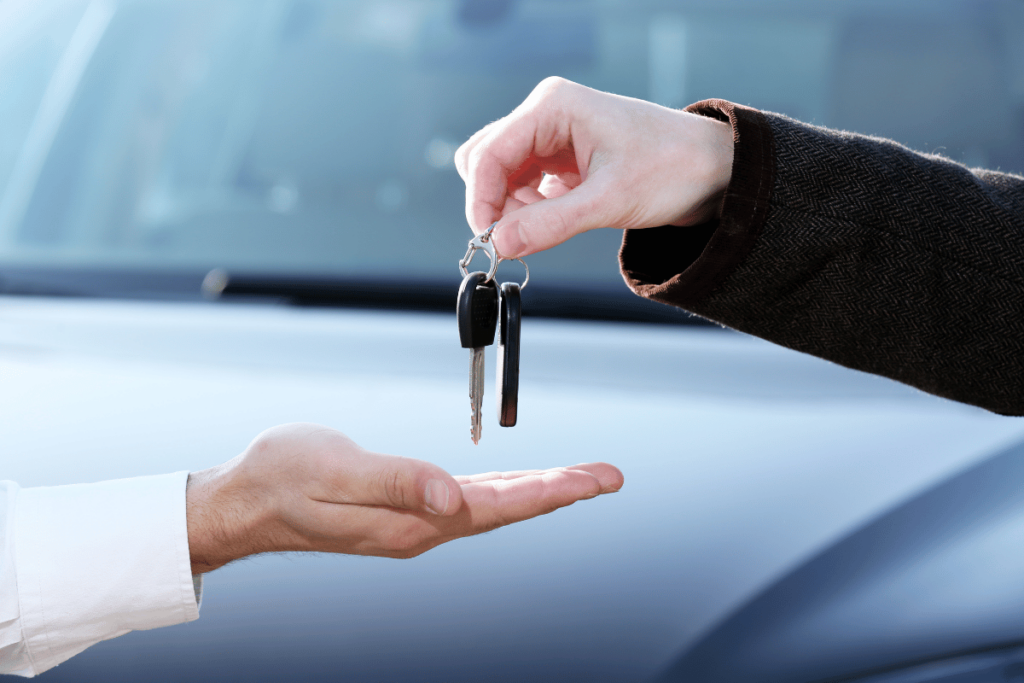
The first thing to do as a first-time car owner is to understand why you want to buy a car. Knowing your “why” gives you clarity on your reasoning of purchasing a car.
While many may argue that a car is a liability, not an asset – it can still be of great use if you want to save time commuting.
Plus, having a car may allow you to take on monetary-generating activities like starting up your own business or going to work.
Here are a few useful questions to ask yourself before deciding to buy a car:
- Why do I need a car?
Your reason for owning a car should come first. Because for some, a car is a daily necessity, for others, it may be a convenience. Being clear on this helps you avoid buying more than you actually need.
- What features of a car are important to me?
Focus on features that suit your lifestyle, like safety, space, fuel efficiency, or navigation. This keeps your decision practical and avoids unnecessary add-ons.
- What is your financial situation like at the moment?
At this stage, align your preferences with your budget. Consider your monthly commitments and what you can comfortably afford.
- Can I afford the additional expenditure?
Beyond the upfront price, consider ongoing costs like fuel, maintenance, insurance or takaful, and road tax, especially for long-term planning.
2. Plan a Budget for Your Purchase
Like most first-time car owners, you’re most likely considering taking a loan to purchase your new car. When considering taking a loan, know that the larger your down payment, the lower your monthly instalment.
If you do not want to feel the pinch of paying a heavy car instalment every month, review your finances to see if you have room for a larger deposit.
Another rule of thumb to take note of is the 20/7/20 rule when budgeting for a car loan which means pay a deposit of 20%, take a 7-year loan tenure and make sure your monthly instalment is no more than 20% of your monthly salary.
Buying a car is more than just paying the purchase price. Beyond the initial purchase, there are ongoing ownership costs that can affect your monthly budget if they’re not factored in early.
Here are some key costs to consider when owning a car:
- Fuel costs
Fuel is one of the main ongoing expenses when owning a car. Before buying, check the car’s fuel consumption and estimate your monthly fuel cost based on your daily commute and driving habits.
- Maintenance and servicing
Maintenance and servicing are another costs to consider. The costs should be planned early for all first-time owners, especially if you’re buying a second-hand car as older vehicles usually require more frequent servicing.
- Parking fees
Parking is an expense that many buyers overlook. Most condominiums, offices, and malls charge parking fees, typically around RM100–RM300 per month for residential parking, while office parking often costs even more. These costs can vary significantly depending on your location and lifestyle.
It is important to factor in all the costs, including fuel, maintenance and parking when buying a car, as they can have a big impact on your monthly budget and overall finances.
3. Be Sure to Test-Drive the Car

Test-driving a car is essential because just like people, cars come in different shapes and sizes and it is important to find the right one for you.
Ask yourself these questions when test-driving a car:
- Are you comfortable with the functionalities of the car? (steering wheel, brakes, among others)
- Do you feel confident when driving it?
- Are you able to manage the size of the car?
- Is the drive smooth and stable?
- Is the car comfortable for both slow and fast drives?
- Is it suitable for daily use and long distance journeys?
- Does the car feel comfortable and easy to drive, especially with its tyre size and handling?
- Do the features such as the windows, mirrors, key fobs and other mechanical parts work efficiently?
- Are there any odd noises or rattles when turning or making a U-turn?
- Does the transmission change smoothly when shifting gears?
- Are there unusual exhaust fumes or noises when the engine is running?
- How do you feel after driving the car?
Prioritise your comfort and safety when buying a car so that you feel confident on the road.
4. Get Your Car Covered
Besides being a legal requirement in Malaysia, car insurance or takaful is one of the most important aspects of driving; it’s more than just another law to oblige.
The cost of bearing damage to the car, yourself and the third party involved in an accident is going to be burdensome for most first-time car owners.
Etiqa Car Insurance and Takaful offer protection against third-party bodily injury and car damage. Plus, you won’t have to wait around for help. Etiqa has a dedicated 24/7 hotline to assist you with free towing of up to 200km.
What’s included under Etiqa Car Insurance and Takaful?
- Protection against loss or damage to your vehicle caused by fire, lightning, explosions, or theft
- Third-party liability coverage for bodily injury, death, property loss, or damage
- Protection against damage caused by floods, storms, and other severe weather conditions with the Extreme Weather coverage add-on
- Like-new coverage for the full cost of new spare parts and repainting to keep your car in top condition with the Maintain Like New add-on
- Daily cash assistance for up to 10 days while your car is being repaired at the workshop with either the Compensation for Assessed Repair Time (CART) or Compensation for Loss of Use (CLU) add-on
- Free Etiqa Cashback by Driving Less add-on, offering up to 30% cashback when you drive less
Terms and conditions apply.
Besides being a safety net for most first-time drivers, car protection also helps you feel more confident behind the wheel, knowing your car is protected. For extra peace of mind, Etiqa also offers comprehensive car protection, giving broader protection for a worry-free drive.
5. Know The Procedure To Buy a New Car vs a Second-Hand Car
Once you’ve found the car that meets your needs and have test-driven it, you can confidently proceed to make a purchase.
The procedure to buy a car in Malaysia mainly consists of three steps – find your desired car, prepare required documents for your car dealer and apply for car insurance or takaful.
Buying a car for the first time in Malaysia requires you to have the following documents:
- NRIC
- Valid driving licence (you cannot buy a car without a licence)
- The latest three months’ payslips
- The latest three months’ bank statements
- Income tax / Employees Provident Fund (EPF) statement
The salesman will assist you in processing these documents and having your car delivered.
Buying your first car can be exciting, but it can also feel overwhelming, especially when purchasing a second-hand car. To help make the process easier, here are some useful tips for first-time buyers looking to purchase a second-hand car:
Research
Before visiting any used car dealer, you’re advised to do some research about the car you are aiming to buy. This is to avoid being scammed and prevent overspending.
Test drive
When buying a used car, conducting a test drive is essential to assess its value and ensure it is in good condition. During the drive, pay attention to the engine, tyres, interior, seats, steering, and handling to make sure the car is truly in good condition.
Here’s a checklist to ask yourself before buying a second-hand car:
Exterior inspection
Check for dents, scratches, rust, flood damage, cracks, and ensure all doors, the bonnet, and the boot open and close smoothly.
Interior inspection
Ensure the airbags and seatbelts work properly, and check for any unusual smells inside the car.
Engine & key components
Check for unusual exhaust fumes or strange noises while the engine is running or while driving.
6. Educate Yourself on Maintenance Requirements
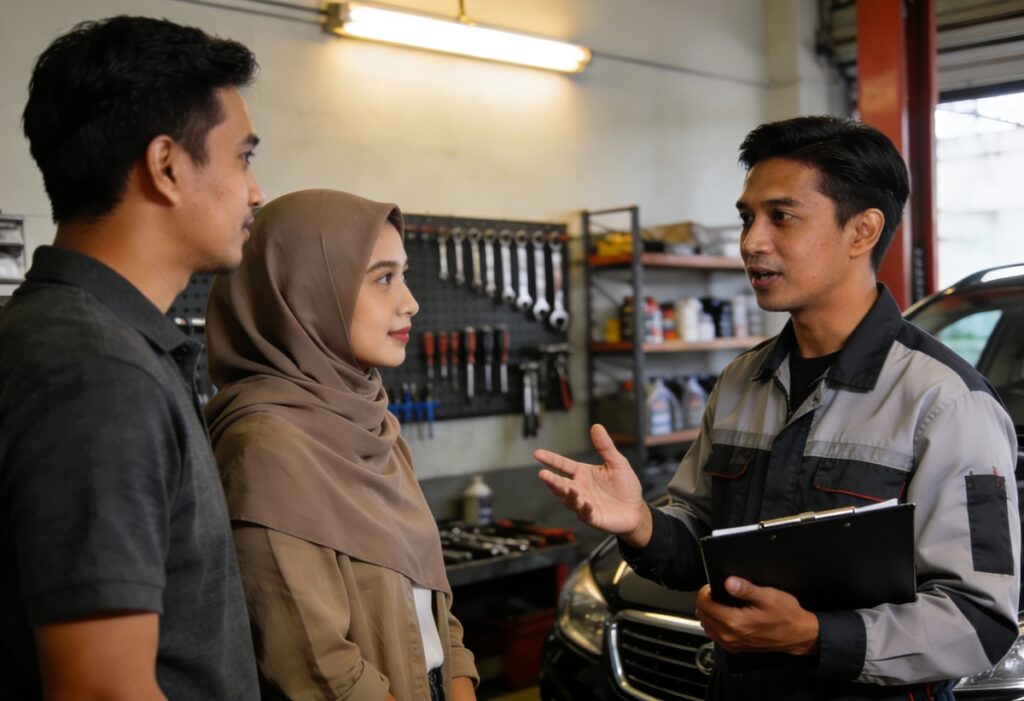
Car maintenance is vital to ensure your ride is in good shape before hitting the road. It is advisable to service your car according to the schedule recommended by the manufacturer or trusted mechanic.
Here are a few things you can do on your own to ensure your car is well-maintained:
- Check the engine oil levels
- Check the functionality of your brakes
- Inspect the tyre conditions and look for signs of balding
- Listen for sounds from the engine and breaks when driving
- Pay attention to sudden jerks or movements
In addition to the items mentioned above, always ask your mechanic to do a full-car checkup when you visit the workshop.
7. Understand Road Accidents and Emergencies
Owning a car isn’t just about knowing how to maintain it; being prepared for road emergencies is just as important.
As a driver, understanding what to do in the event of an accident helps protect not only yourself, but others on the road as well. A calm, informed response can make a real difference.
Keep these essential road-accident tips in mind:
- Check on everyone involved. Quickly assess the situation and prioritise anyone with life-threatening injuries.
- Stay aware of your surroundings. Watch out for oncoming traffic or other hazards, and move to a safer area if possible.
- Keep an emergency or first-aid kit in your car. Basic supplies can be crucial while waiting for help to arrive.
- Carry essential tools and know how to use them. This can help with minor roadside issues while keeping you safe.
- Keep Etiqa’s 24/7 emergency road assistance accessible via the Etiqa+ app, so help is always just a tap away.
8. Know Your Driving Limit
Whether you’re a newbie on the road or an experienced driver, know your limits when it comes to driving and never put the passengers and yourself at risk.
For example, if you’re not comfortable travelling interstates which requires you to drive for a long period of time and sometimes during early morning or late at night, it is best to not take the risk.
Give yourself time to get adjusted to the new car before and always adhere to the road laws. To have a hassle-free first-car driving experience, get your car covered and hit the roads worry-free.
So there you have it, 8 helpful tips for first-time car buyers in Malaysia. Buying your first car is an exciting experience. For many of us, it is a milestone to be proud of. However, owning a car is a major responsibility. It is best to equip yourself with automobile and road knowledge to ensure your safety on the road.
The benefit(s) payable under eligible product(s) is(are) protected by PIDM up to limits. Please refer to PIDM’s TIPS Brochure or contact Etiqa or PIDM (visit www.pidm.gov.my) I Member of PIDM
The information contained in this blog is provided for informational purposes only. It should not be construed as advice on any matter. Etiqa accepts no responsibility for loss which may arise from reliance on information contained in the article. This information is correct as of 29th May 2026.
