
Online Scams and Phishing Emails: A Growing Threat in Malaysia
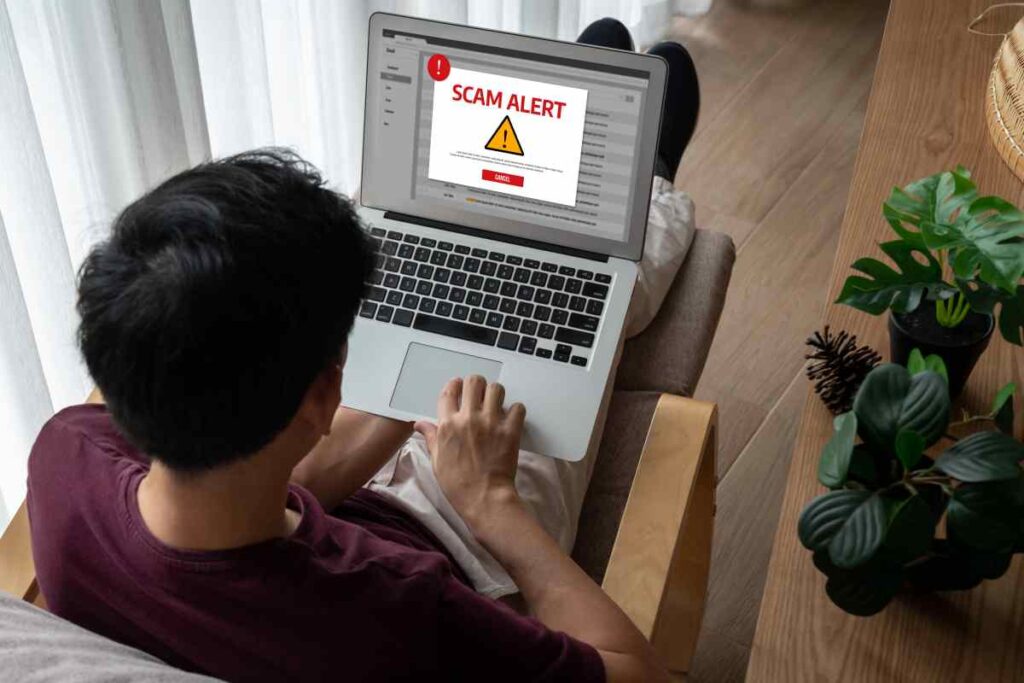
Online scams and phishing emails are becoming increasingly common in Malaysia, affecting anyone using email, online banking, or shopping apps. Scammers send deceptive messages that appear real to trick people into surrendering personal or banking information. These alerts may seem to come from trusted sources like banks, courier companies, e-wallet providers, or government agencies.
As daily activities move online, knowing how to spot these suspicious messages is the best way to prevent financial loss.
How to Spot an Email Scam in Malaysia?
A phishing email is a fake message sent by a scammer pretending to be a trusted company or individual. Their goal is to pressure you into clicking a link, opening an attachment, or sharing private details like passwords, bank account numbers, or one-time codes (OTP).
These messages are often very convincing, featuring official logos and urgent language to make you act quickly. Once a link is clicked or information is shared, scammers can gain access to your accounts or steal your money.
Why Do These Scams Work?
Phishing works by creating a sense of panic. You might receive a notification claiming:
- Your bank account has been locked.
- You have submitted insurance claims involving a substantial amount.
- A recent payment failed.
- A parcel cannot be delivered.
When people feel worried, they often react instinctively without verifying if the email is genuine. Scammers take advantage of this by copying real company branding to appear trustworthy. Awareness is your strongest defense against these tactics.
Common Warning Signs to Look Out For
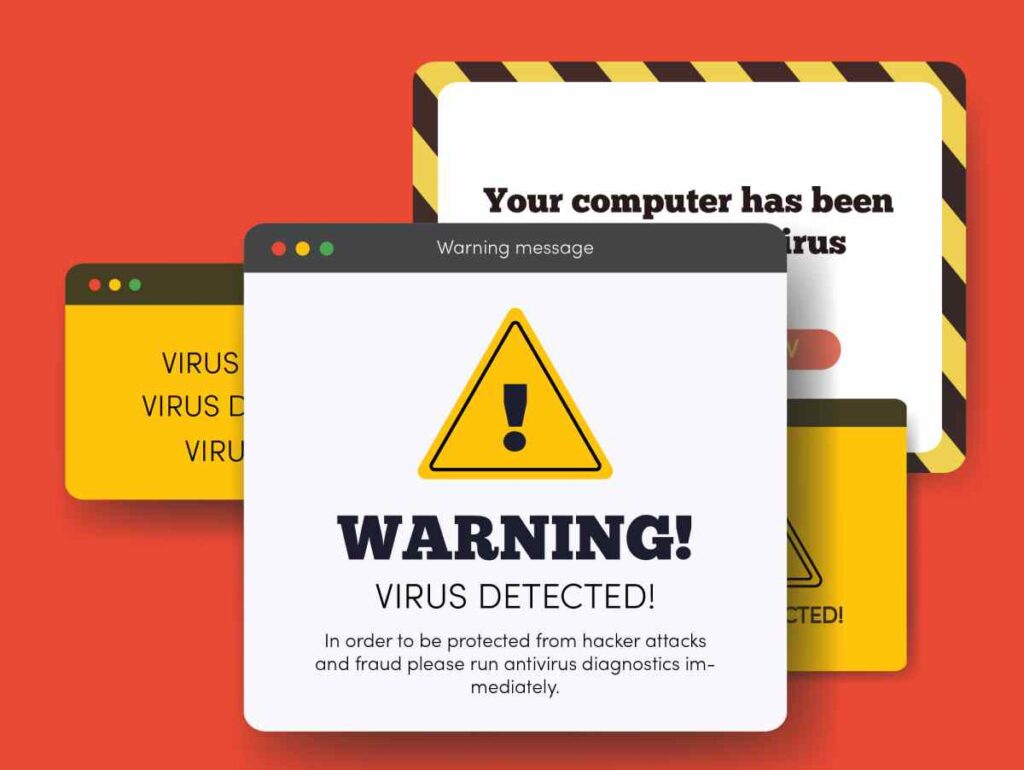
Be on the lookout for these red flags:
- Unusual Sender: The email address looks slightly “off” or different from the official domain.
- Requests for Data: The message asks for banking details or personal info.
- High Pressure: It threatens account suspension or demands immediate action.
- Errors: There are noticeable spelling or grammar mistakes.
- Link Mismatch: The link provided does not match the company’s official website.
- Unexpected Contact: You receive an attachment or email you weren’t expecting.
- Generic Greetings: The email starts with “Dear Customer” instead of your name.
Risks to Individuals
For individuals, falling for a scam can lead to identity theft and the loss of funds from bank accounts or e-wallets. Recovering from these incidents is often a stressful and time-consuming process.
Within a company, a single employee clicking a malicious link can expose entire company systems and confidential data. This can lead to significant financial loss and permanent damage to a company’s reputation.
How to Protect Yourself
You can stay safe by following these simple habits:
- Verify the Source: Always check the sender’s identity before responding.
- Think Before You Click: Do not open suspicious links or attachments.
- Keep Secrets Secret: Never share passwords or one-time codes (OTP) via email.
- Strengthen Security: Use strong, unique passwords and turn on two-factor authentication (2FA).
- Update Regularly: Keep your phone and computer software up to date.
- Confirm Directly: If you are unsure, contact the company through their official, verified channels.
While phishing is a major threat in Malaysia, it can be avoided with caution and the right habits. By staying alert and recognising the warning signs, you protect your finances and your peace of mind. Remember: if something feels unusual, double-check before taking action.
Need Help or Suspect a Scam?
If you suspect you have been targeted by a scam or noticed unusual activity, please use the following official channels:
- National Scam Response Centre (NSRC): Call 997 (8AM–8PM daily) for immediate assistance with online financial scams.
- For Etiqa Customers: If you suspect a scam related to your Etiqa account, please contact the Etiqa Oneline at 1-300-13-8888.
Stay alert. Stay safe. Always verify before you click.
