
Online Shopping Scams: Practical Ways To Protect Yourself
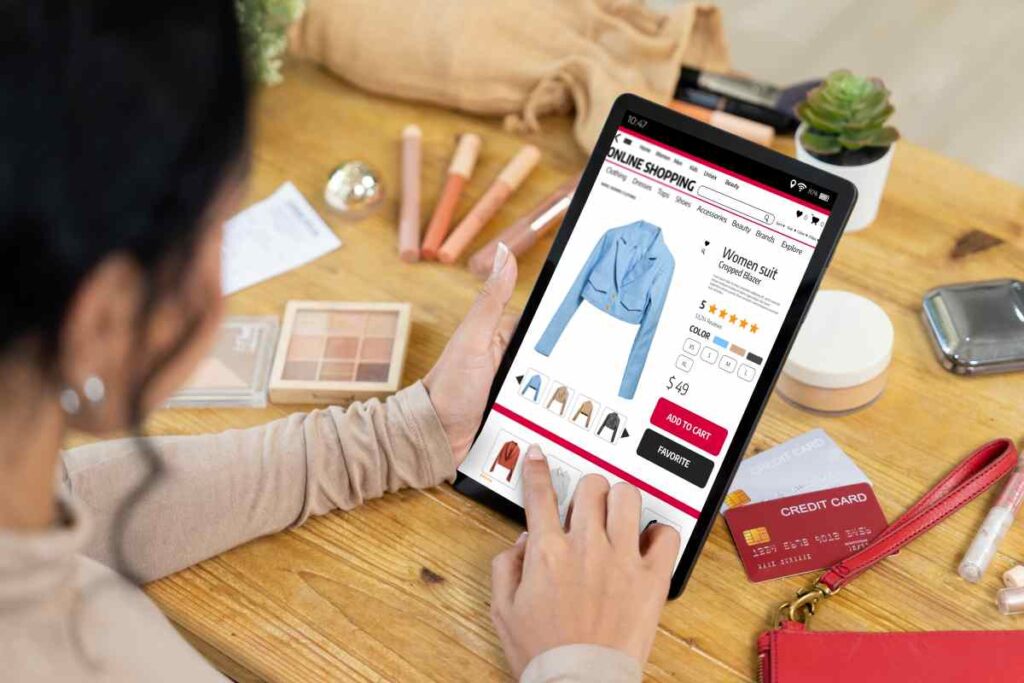
Online shopping scams are becoming increasingly common as more Malaysians shop online for convenience, better prices, and faster delivery services. While the advantages of online shopping include easy access to products, exclusive deals, and time-saving convenience, shoppers must also stay alert to fraud and fake sellers.
From phishing links to fake websites and misleading promotions, cybercriminals are constantly creating new ways to carry out internet shopping scams. Understanding proper online shopping safety practices can help protect your personal information, financial details, and digital identity while enjoying a safer online shopping experience.
Although there are many benefits to shopping online, the disadvantages of online shopping include exposure to fraud, counterfeit products, identity theft, and payment scams. As online scams in Malaysia continue to rise, consumers should be more cautious before making any purchase online.
Here are seven practical ways to protect yourself from online shopping scams and shop more safely and confidently in Malaysia.
1. Shop Only On Trusted Websites
One of the best ways to avoid online shopping scams is to purchase items only from trusted and reputable websites or official stores. With the increase in online retail scams, consumers should always verify seller authenticity before making any payment.
Before purchasing:
- Check if the website starts with “https://”
- Read genuine customer reviews
- Verify seller ratings and business details
- Avoid websites with suspicious spelling or poor design
- Be cautious of deals that seem too good to be true
Shopping on reputable platforms can significantly reduce the risk of fraud, fake products, and identity theft.
Why Online Shopping Safety Matters to Etiqa
As more services move online, protecting personal and financial information has become increasingly important. At Etiqa, we are committed to helping customers stay safe not only when purchasing insurance and takaful plans, but also when interacting with digital platforms and online services.
When visiting the Etiqa website or using our online services, customers are encouraged to follow the same online shopping safety practices discussed in this article. Always ensure that you are accessing Etiqa through official channels, verify website addresses before entering personal information, and avoid clicking on suspicious links claiming to represent Etiqa.
By promoting cybersecurity awareness and safe online habits, Etiqa aims to help customers enjoy a more secure digital experience while managing their insurance and takaful needs with confidence. Staying vigilant online is an important step towards protecting your personal information, financial security, and overall digital well-being.
2. Be Careful Of Deals That Look Too Good To Be True
Scammers often attract victims by advertising luxury items, gadgets, or branded products at unrealistically cheap prices. This is one of the most common tactics used in internet shopping scams.
If a deal seems suspicious, take extra precautions before making a purchase:
- Compare prices across multiple websites
- Avoid rushed purchases
- Double-check seller authenticity
- Read customer reviews carefully
While one of the key advantages of online shopping is finding better deals and discounts, protect yourself and remain cautious of offers that seem too good to be true.
3. Avoid Clicking Shopping Links From Suspicious Emails Or Messages
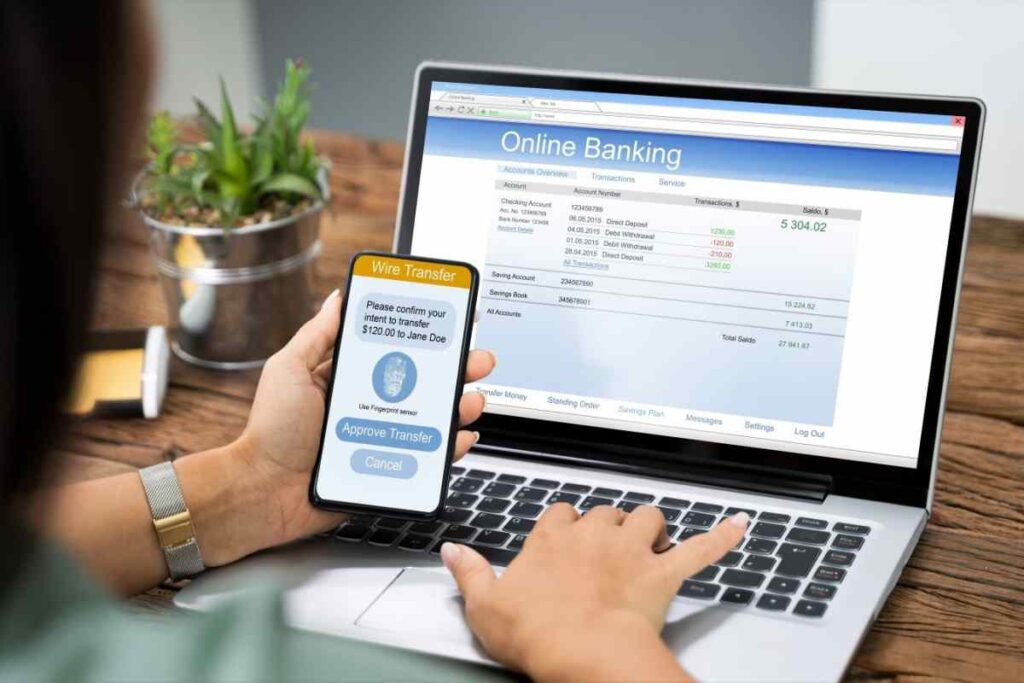
Scammers often try to create panic or urgency to trick you into clicking fake shopping links. These phishing attempts may appear as delivery updates, payment issues, or account verification requests, but they are commonly linked to online retail scams and other forms of online shopping scams designed to steal your personal or banking information.
Be extra cautious if you receive:
- Unexpected parcel or delivery notifications
- Urgent requests to verify payments or account details
- Links asking you to log in immediately
- WhatsApp or SMS messages containing shortened or suspicious URLs
- Messages claiming your order will be cancelled unless you act quickly
To better protect yourself from online shopping scams, always verify information directly through official apps or trusted websites instead of clicking unknown links. Taking a few extra seconds to double-check can help keep your personal data, passwords, and banking details safe.
4. Use Secure Payment Methods
Using secure online payment methods is another essential online shopping safety habit.
Recommended payment methods:
- Credit cards with fraud protection
- Trusted e-wallets
- Secure online banking platforms
Avoid:
- Direct bank transfers to unknown sellers
- Sharing OTPs or banking passwords
- Saving card details on unfamiliar websites
According to Kaspersky’s online shopping safety guide, secure payment practices significantly reduce fraud risks.
5. Protect Your Personal Information
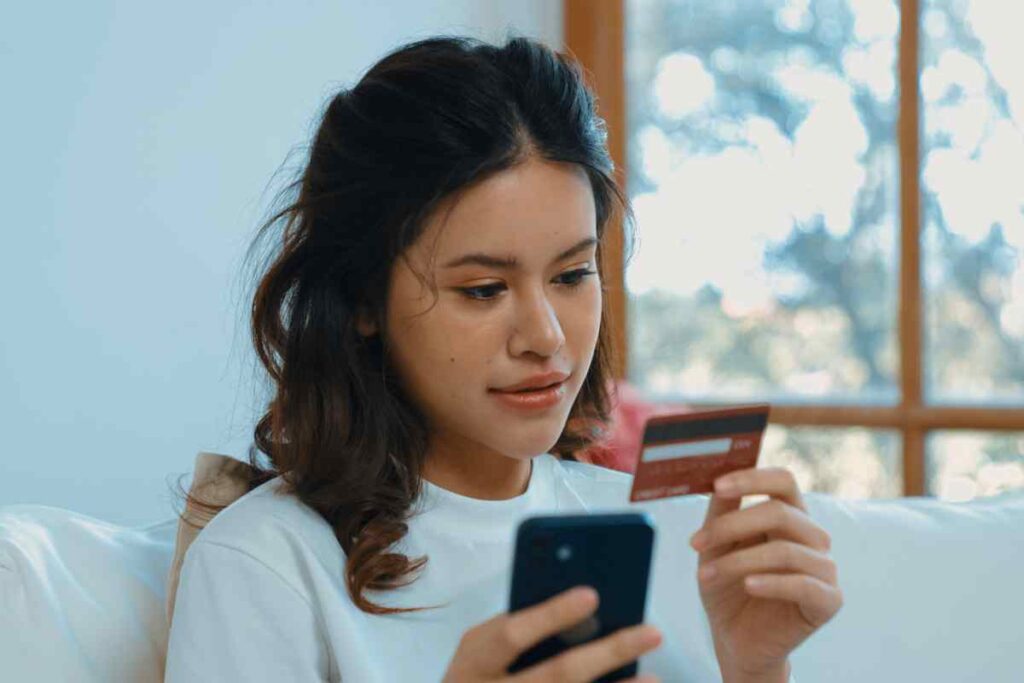
Scammers often attempt to steal confidential information such as passwords, banking details, and identification numbers through fake promotions or phishing websites. Protecting your personal information is one of the most important steps in preventing online shopping scams.
Here’s a quick list of personal information you should never share:
- IC or passport numbers
- Banking information
- Passwords
- OTP codes
Never share confidential information through email, SMS, or messaging apps unless you are certain the request is legitimate.
6. Avoid Using Public Wi-Fi For Online Shopping
Public Wi-Fi networks at cafes, airports, or shopping malls may expose your information to hackers and cybercriminals. Many cases of online shopping scams involve users accessing banking or shopping platforms through unsecured internet connections.
For better online shopping safety:
- Use your mobile data or trusted Wi-Fi connections
- Avoid logging into banking apps on public networks
- Use strong passwords and multi-factor authentication
These precautions can help reduce the risk of account compromise or data interception.
7. Monitor Your Bank Transactions Regularly
Do you regularly monitor your bank transactions? If you often use your credit card or shop online, monitoring your bank transactions regularly is essential for detecting suspicious activity early. Quick action can help minimize losses caused by online shopping scams and account misuse.
If you shop online, here’s a few steps you can take:
- Review your bank statements frequently
- Enable transaction notifications
- Report suspicious transactions immediately
Bank Negara Malaysia’s financial scam awareness resources also provide useful consumer awareness guidance on scam prevention and financial safety.
Frequently Asked Questions (FAQ)
How can I identify a fake online shopping website?
Fake websites often offer unrealistic discounts, have poor spelling or grammar, use suspicious URLs and request for unusual payment methods such as direct bank transfer instead of a safe payment getaway.
Is online shopping safe in Malaysia?
Yes, online shopping is generally safe as long as the user practices proper online shopping safety habits. When you’re browsing through an online site, do a quick check to ensure you’re using a trusted website, making payments through secure payment methods and not clicking on suspicious links.
Despite the growing number of online scams in Malaysia, shoppers can still enjoy the convenience and advantages of online shopping safely by staying alert and informed.
What should I do if I become a victim of an online shopping scam?
If you’ve noticed suspicious activities with your online purchase or bank account, take action immediately using these steps:
- Contact your bank
- Change your passwords or freeze your account if necessary
- Report the incident to the platform involved. Example: Shopee, Lazada, etc.
- Lodge a report with the relevant authorities if necessary
Final Thoughts
Staying safe online is not only about avoiding online shopping scams, it is also about protecting your financial security, personal information, and digital identity. By staying cautious and practicing secure online shopping habits, consumers can continue enjoying the convenience of e-commerce while reducing the risks associated with internet shopping scams and cyber fraud.
Always remember:
Think before you click, verify before you pay, and stay alert when shopping online.
Need Help or Suspect a Scam?
If you suspect you have been targeted by a scam or noticed unusual activity within Malaysia, please use the following official channels:
- National Scam Response Centre (NSRC): Call 997 (8AM–8PM daily) for immediate assistance with online financial scams.
- For Etiqa Customers: If you suspect a scam related to your Etiqa account, please contact the Etiqa Oneline at 1-300-13-8888.
Learn more about cybersecurity with Etiqa.
The information contained in this blog is provided for informational purposes only, and should not be construed as advice on any matter. Etiqa accepts no responsibility for loss which may arise from reliance on information contained in the article. This information is correct as of 16 June 2026.
