
30-Point Car Maintenance Checklist Every Driver Should Know
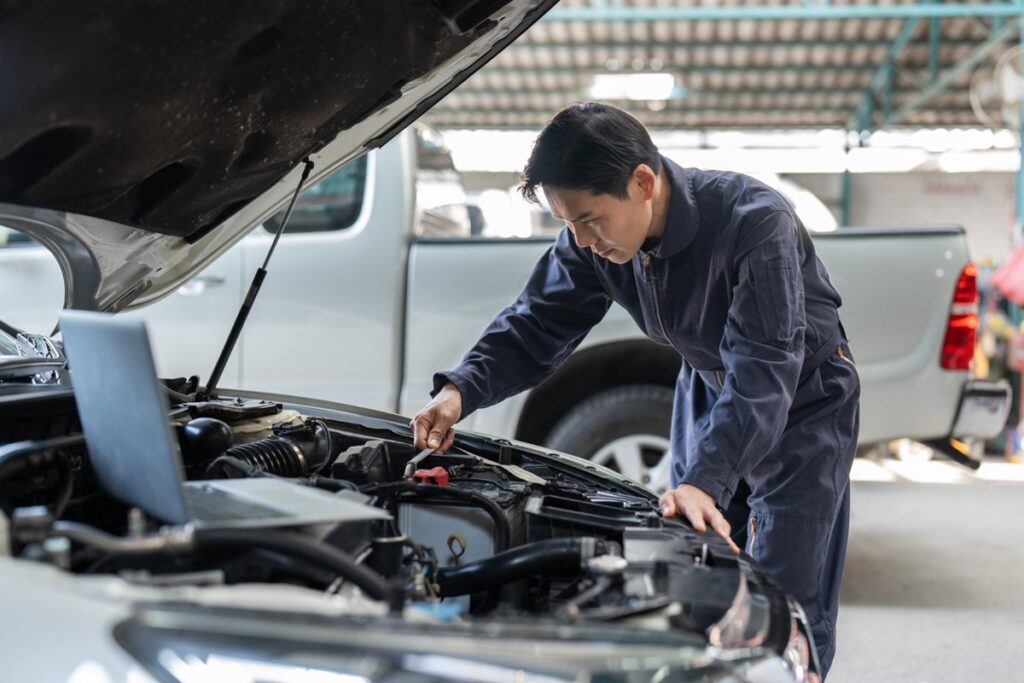
Owning a car makes life easier. But when it comes to maintenance, many of us are not always sure what needs checking or when to do it. Fret not, this guide gives you a complete car maintenance checklist, with items every driver should be aware of.
With this article, you will know what to expect at each service session and what to check or ask your mechanic, so you can stay informed, avoid surprises, and keep your car running safely and reliably.
Why Car Maintenance Matters
Buying a car is a big financial commitment, so you want it to stay reliable for as long as possible. Regular maintenance based on your car manufacturer’s manual helps you do just that by catching small issues early before they turn into bigger, more costly problems.
It is always a good idea to know the basics of what to check and to have your car inspected at an authorised service centre or a credible workshop to ensure everything is in order.
Here are some key reasons why regular car maintenance matters:
Consistency pays off for safety
Routine checks on brakes, tyres, lights, and fluid levels help keep your car roadworthy. When overlooked, worn brake pads or underinflated tyres can cause your car to take longer to stop or feel less stable, especially during sudden braking or on wet roads.
Faulty headlights can make it harder to see clearly at night or in heavy rain, and just as importantly, make it harder for other drivers to see you.
Low or dirty fluid levels, such as engine oil, brake fluid, or coolant may lead to overheating or braking issues. Regular checks can help you catch these problems early before they become dangerous.
Lower costs in the long run
Something as simple as changing your engine oil on time keeps the engine properly lubricated. If oil changes are delayed, the engine may overheat or suffer excessive wear, which can lead to costly repairs.
Longer vehicle lifespan
Proper maintenance keeps the engine and key components in good working condition, allowing your car to perform reliably for longer. When important components such as filters, belts, and fluids are replaced on time, your car can continue running smoothly for many years.
Better driving efficiency
Simple things like keeping your tyres properly inflated can help reduce fuel consumption, as it allows your car to move more efficiently. With subsidised RON95 (Budi95) reduced from 300 litres to 200 litres monthly beginning April, taking care of your car can help you manage your fuel costs better.
Stronger resale value
A consistent service history shows the car has been well cared for, making it more appealing and valuable when it is time to sell. Even if you have just bought your first car, it helps to think about its resale value early on. Buyers often look for vehicles with proper maintenance records, and a consistent car service checklist can make yours more attractive to potential buyers.
Car Maintenance Checklist by Mileage
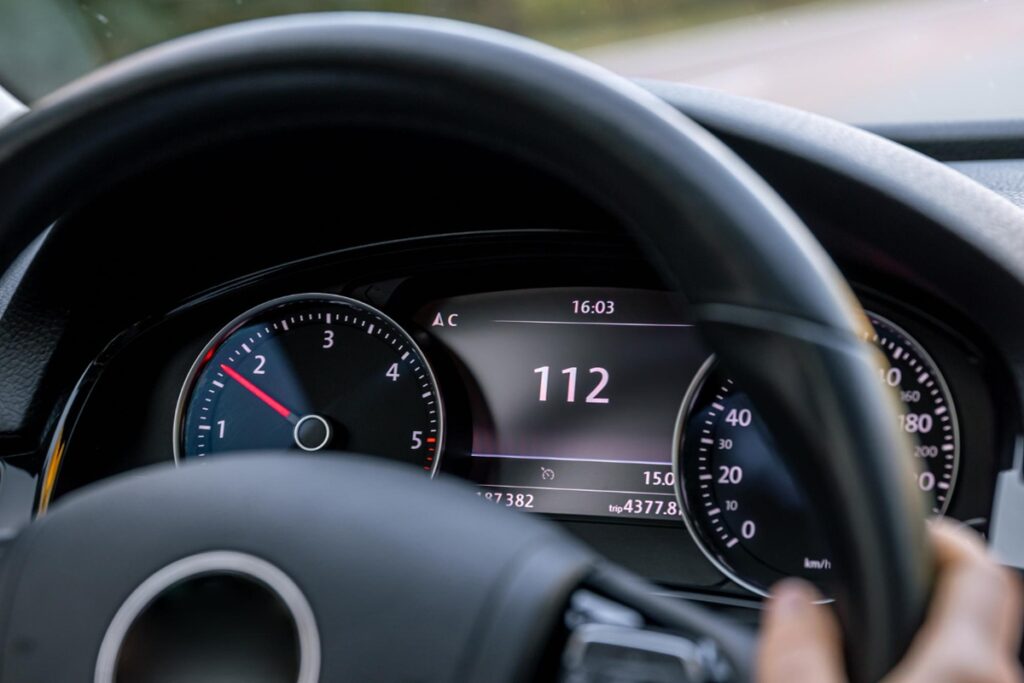
Have you ever wondered why your car seems to need attention at different times than others? That is because maintenance is not just about months on the calendar; it is about how much you actually drive.
Every driver accumulates mileage differently, whether through short daily commutes, school runs, or long weekend drives. That is why we have estimated maintenance checkpoints by both mileage and approximate duration, so you have a practical reference even if your driving habits mean your “three months” looks very different from someone else’s.
These milestones help you know when to check key components, from engine oil and fluids to brakes and tyres, so your car remains reliable and performs well over the long term.
Every 5,000 to 12,000 km (3,000-7,500 miles)
Approximately every 3 months
This is the most frequent stage in a regular car maintenance schedule, focusing on essential checks that keep your car running safely day to day.
Many of these items, especially fluids and safety components, are used every time you drive. If you commute daily or are often caught in heavy traffic, you may reach this mileage sooner than expected.
At this stage, the goal is simple: keep everything clean, properly lubricated, and working as it should.
What to check:
- Engine oil and oil filter
- Other fluids (brake fluid, transmission fluid, coolant, and windshield washer fluid)
- Tyres: pressure, tread depth, and condition
- Wheels: alignment and lug nuts
- Lights and signals: headlights, brake lights, indicators
- Windshield wipers and washer fluid
- Battery terminals: check for corrosion
Every 24,000 to 48,000 km (15,000–30,000 miles)
Approximately every 6 to 12 months
By this stage, your car has gone through a fair amount of driving, and some components may start to show early signs of wear. While everything may still seem fine, key systems like braking, airflow, and cooling need closer attention.
Staying on track with this stage helps prevent small issues from developing into more serious mechanical problems.
What to check:
- Engine and overall performance
- Brakes: pads, discs, brake fluid
- Battery health and electrical connections
- Air filter and fuel filter
- Transmission fluid (for automatic cars)
- Coolant or radiator
- Exhaust system: check for leaks or corrosion
- Suspension and steering: check for signs of wear (bearing play, abnormal sounds)
Every 48,000 to 96,000 km (30,000–60,000 miles)
Approximately every 2 to 2.5 years
At this point, many parts in your car have been used for a longer period and may need replacement, not just inspection. This phase focuses on deeper checks and servicing of key mechanical systems.
The goal is to replace worn components early, before they fail and affect your car’s performance or safety.
What to check:
- Automatic or manual transmission fluids
- Coolant and radiator system
- Spark plugs
- Belts and hoses
- Brake pads and discs
- Tyre rotation and alignment
- Suspension components: bushings, shocks, steering parts
- Battery health check
Over 96,000 km (60,000 miles)
Approximately every 5 years
After years of driving, certain major components may now require replacement as part of long term maintenance. This helps ensure older vehicles continue to operate safely and efficiently.
Many manufacturers recommend replacing components such as timing belts and water pumps during this period to prevent sudden mechanical failures.
What to check:
- Brakes and brake fluid
- Timing belt and serpentine or drive belts
- Spark plugs
- Exhaust system inspection
- Water pump
- Cooling system flush: radiator, hoses, thermostat
- Transmission service (as per your car manufacturer’s recommendation)
Let us now move to the Major Car Service Checklist, which covers the most important areas to inspect and maintain.
Major Car Service Checklist
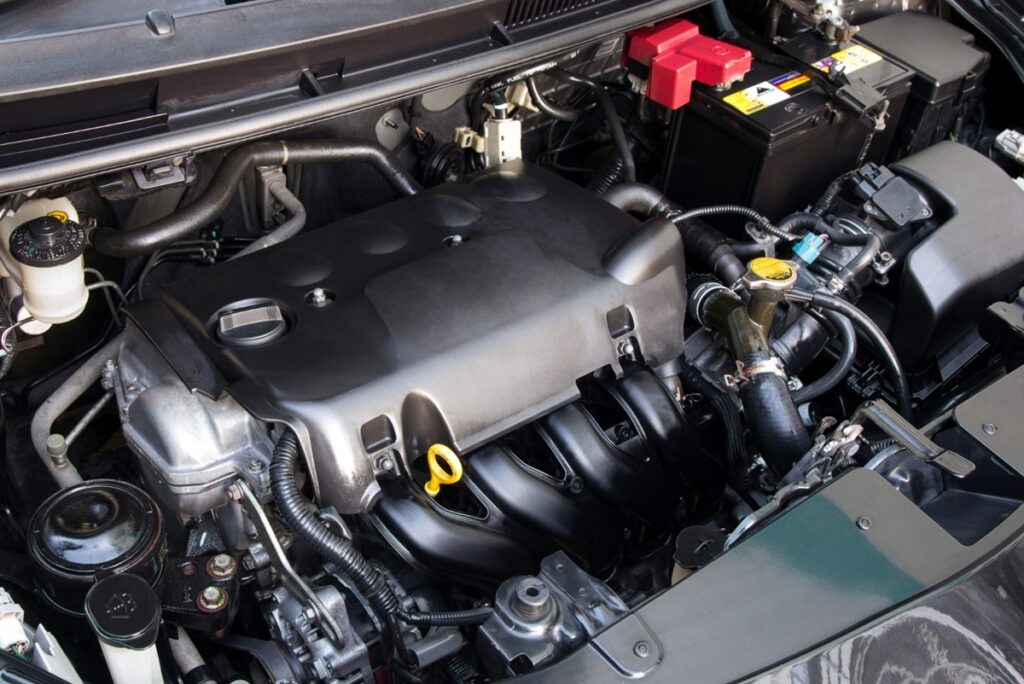
Unlike routine servicing that focuses mainly on oil changes and basic checks, a major car service examines deeper mechanical components, helping you better understand the condition of your vehicle and anticipate potential issues before they become serious.
Here are the main areas that mechanics typically inspect during a major service:
Engine, Filter, and Fluids
The engine is one of the most critical parts of your car, and keeping it properly maintained ensures smooth performance and longer lifespan. During a major service, mechanics usually inspect and replace essential fluids and filters that keep the engine functioning efficiently.
Engine oil lubricates moving parts and prevents excessive heat and friction. Over time, the oil becomes less effective and must be replaced to protect the engine. Filters such as air filters and fuel filters also play an important role by preventing dirt, debris, and impurities from entering the engine.
Regular checks and timely replacements help maintain fuel efficiency, reduce wear, and keep your engine running smoothly.
Brakes, Tyres, and Wheels
Brakes, tyres, and wheels work together to keep your car safe and stable on the road.
Tyres are the rubber parts that make contact with the road and provide grip, while the wheels are the metal structures that hold the tyres and connect them to the car. The rim is the outer edge of the wheel where the tyre sits.
Even if your tyres look fine, issues like misaligned wheels can cause uneven wear and affect handling. Hitting potholes, for example, can also damage the rim, which may affect balance and stability.
During a service, mechanics typically check tyre pressure, tread depth, alignment, brake pads, brake discs, and brake fluid to ensure safe braking and control.
Ride and Steering Check
Your car’s suspension and steering systems help keep your drive smooth, stable, and easy to control.
The suspension absorbs bumps and uneven roads, while the steering system allows you to guide the car safely. Over time, parts such as shock absorbers, bushings, and steering joints can wear out.
When this happens, you may notice vibrations, unusual noises, uneven tyre wear, or that the steering feels heavier or less responsive.
Regular checks help maintain comfort, improve handling, and reduce strain on other components.
Extra Coverage When Maintenance Is Not Enough
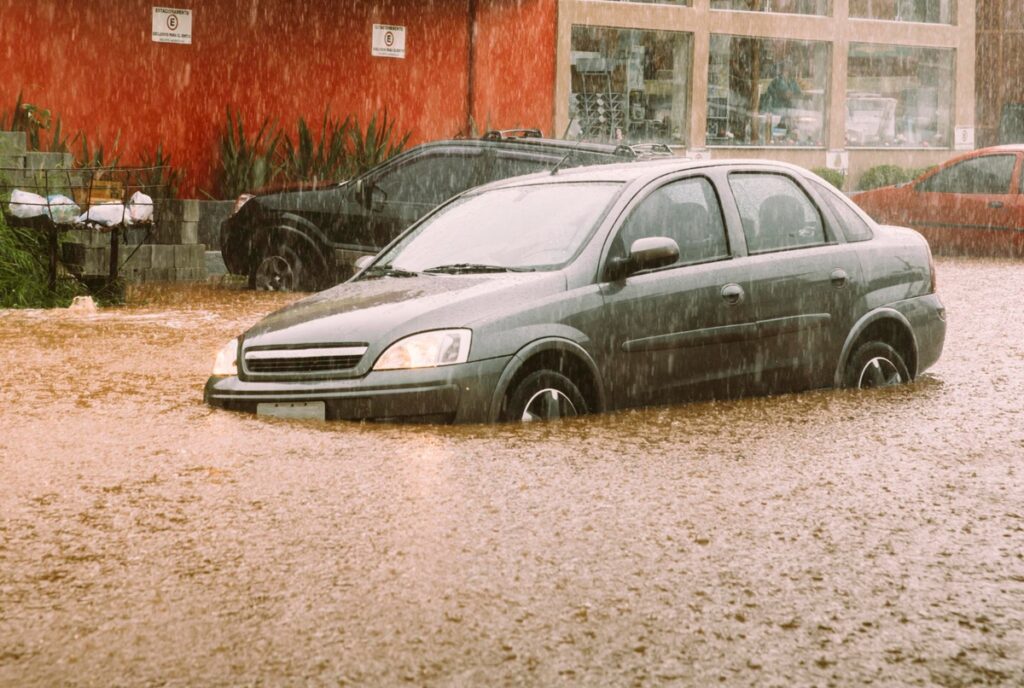
While regular maintenance helps keep your car safe, unexpected moments can still happen. With Etiqa Car Insurance or Takaful, you are supported in scenarios including:
When your car is damaged by floods
With the extreme weather coverage add-on, you are covered if your car is damaged by natural disasters such as floods, landslides, or falling trees caused by severe weather.
When your windscreen breaks
Chipped or shattered windows? With the windscreen coverage add-on, you are covered for the repair or replacement of your front windscreen, rear windscreen, side windows, or sunroof.
When parts of your car are damaged
With the new spare part replacement add-on, you are covered for the cost of replacing damaged components with new ones.
When your tyre goes flat
Whether you get a flat tyre from a sharp object or your battery suddenly runs out, you can request for 24/7 roadside assistance in just a few taps via the Etiqa+ app.
When your car suddenly stops working
Stranded by the roadside? Request free towing of up to 200 km through the Etiqa+ app, and have your car towed to the nearest panel workshop.
When you face a breakdown or accident
Extend your car coverage by adding personal accident plan OTO 360 to your car protection plan, even if your car is not insured or covered by Etiqa. With OTO 360, you do not have to worry about extra towing charges, as towing is free and unlimited across Malaysia. In the unfortunate event of death or permanent disability, you are covered up to RM50,000.
Remember: Accidents or natural disasters can happen without warning, and even the most well-maintained car is not immune. With Etiqa Car Insurance or Takaful, you will be covered when the unexpected happens.*
*Terms and conditions apply.
The benefit(s) payable under eligible product(s) is(are) protected by PIDM up to limits. Please refer to PIDM’s TIPS Brochure or contact Etiqa or PIDM (visit www.pidm.gov.my) I Member of PIDM
FAQ About Car Maintenance Checklist
What should I check daily?
Simple daily checks can help prevent bigger problems. Look out for warning lights on your dashboard, check that your tyres are properly inflated, make sure your headlights and brake lights are working, and watch for any unusual leaks under your car, such as oily stains.
What red flags indicate that my car needs maintenance?
Certain signs may indicate your car needs attention. These include unusual noises such as knocking, grinding, or squealing sounds while driving or braking.
You should also watch for smoke from the exhaust:
- Black smoke may indicate the engine is burning too much fuel.
- Blue smoke may mean the engine is burning oil.
- White smoke could suggest coolant is leaking into the engine.
Other warning signs include strong vibrations while driving, difficulty in braking, warning lights on the dashboard, or if your car starts using more fuel than usual.
Does mileage or time matter more for my car’s maintenance?
Both mileage and time are important. Some components wear out based on how far the car has been driven, while others deteriorate with age even if the car is rarely used.
For example, engine oil may degrade over time, while brake pads wear down based on distance driven. It is best to follow a car maintenance checklist by mileage together with a time-based schedule.
Can regular maintenance affect my car insurance or takaful claims?
While you are not required to provide your car’s maintenance history when you make a car insurance or takaful claim, any damage caused directly by a lack of proper repair or maintenance is not covered. This includes damage resulting from the use of non-genuine manufacturer parts or accessories.
Additionally, poor maintenance can sometimes worsen the damage caused by an accident. This may increase repair costs, and if the total exceeds your car’s sum insured or sum covered, you may need to pay the remaining amount out of pocket.
What should I ask my mechanic during each service?
You can ask your mechanic several questions to better understand your car’s condition. For example:
- Which parts were inspected during this service?
- Are there any components starting to wear out?
- When should my next service be scheduled?
- Are any repairs recommended soon?
Asking these questions helps you stay informed and plan for future maintenance.
Which car part is the most expensive to fix or replace?
Major components such as the engine, transmission, or hybrid battery systems are typically the most expensive to repair or replace. This is why following a regular car maintenance schedule is important, as preventive maintenance helps reduce the risk of major mechanical failures.
Sources: AAA Auto Repair, Express Lube & Car Care
The information contained in this blog is provided for informational purposes only. It should not be construed as advice on any matter. Etiqa accepts no responsibility for loss which may arise from reliance on information contained in this article. This information is correct as of 14 April 2026.
