
6 Signs Your Car’s Shock Absorber Needs to Be Changed
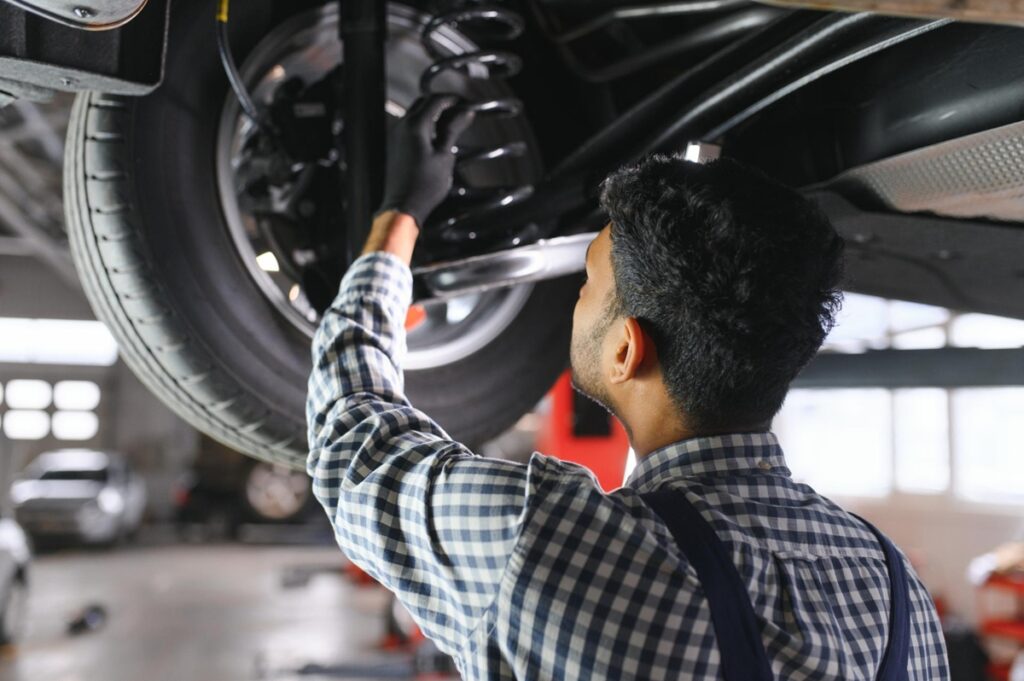
So, you own a car and follow a service maintenance schedule, but how well do you really know your car? To get down to the finer details, do you know everything about your car’s shock absorber and how to tell it’s due for change?
Based on a quick survey among our friends and family, drivers only find out there’s an issue with their car’s shock absorber when they run into an unfortunate situation, such as the car swerving during an emergency brake or losing control of the car on a wet road. In other words, when it’s too late.
To ensure your safety on the road and the general wellbeing of your vehicle, here’s everything you need to know about a vital part of your car: the shock absorber.
Read More:
- 7 Signs You Need A New Car To Replace Your Current One
- 8 Essential Car Care Tips for the Rainy Season
First, what is a shock absorber?
As its name suggests, a shock absorber absorbs shock!
It’s a hydraulic tube that is positioned between the frame of a car and the wheels. Its primary purpose is to absorb or reduce the compression and rebound of the springs and suspensions in your vehicle. To put it simply, it’s the device that ensures you enjoy a smooth ride without all the bumps and shocks from rough roads.
Essentially, shock absorbers are small hydraulic tubes that ensure you experience a comfortable ride.
What do shock absorbers do?
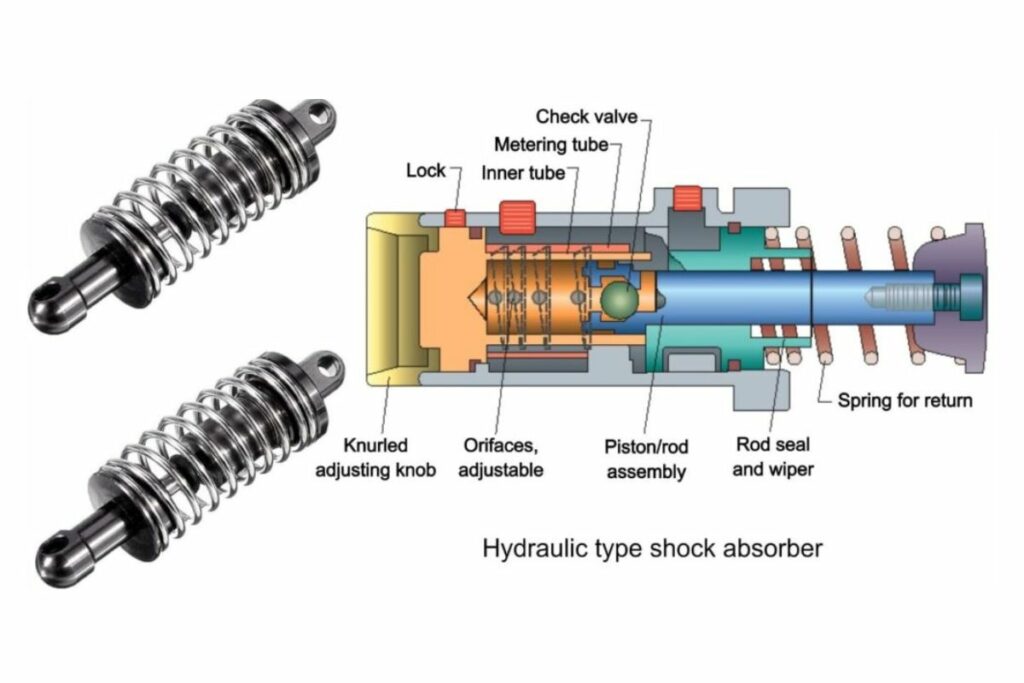
Understanding how a shock absorber works can help you appreciate its role in keeping your ride safe and comfortable on the road. Beyond smoothing out bumps, shock absorbers serve several important functions that affect your overall driving experience:
Keep your tyres on the ground
It’s impossible for you to make a turn or hit the brakes if your vehicle is above ground. The shock absorber pushes your tyre against the road surface, ensuring that it stays in contact with the ground at all times.
Slows down suspension wear
Having a shock absorber that softens the impact of rough roads on the vehicle helps reduce the load on the other components. This is why it’s important to opt for better quality shock absorbers and ensure on-time replacements.
Stabilises the movement of a vehicle (side to side)
A shock absorber helps to dampen side movements. It ensures the stability of the vehicle by preventing excess leaning to the side when you take a corner or make sharp turns.
Softens the vertical movement of vehicles (up and down)
These little hydraulic tubes work to reduce the shock, bounce and rough motions of the road to vehicle passengers. This is done by converting the movements into heat that is then released into the environment (kinetic energy > thermal energy).
How long does a car shock absorber last?
On average, car shock absorbers can last between 80,000 to 100,000 kilometers, depending on your driving habits, road conditions, and the type of shock absorber used.
There are two common types of shock absorbers:
- Hydraulic shock absorbers
These use oil inside a cylinder to control the car’s movement. They are more affordable and commonly used in regular passenger cars, providing a smooth and comfortable ride. However, they may wear out faster under heavy loads, rough roads, or aggressive driving. - Gas-charged shock absorbers
These use pressurised nitrogen gas together with hydraulic fluid to improve performance and reduce foaming. They are more expensive but offer better durability and more consistent performance, especially for high-speed driving, heavy vehicles, and sports cars.
How do I tell if my shocks need replacing?
Now that we understand the function and importance of a shock absorber, here are some things to look out for so you know when it’s time for a replacement.
1. Leaking
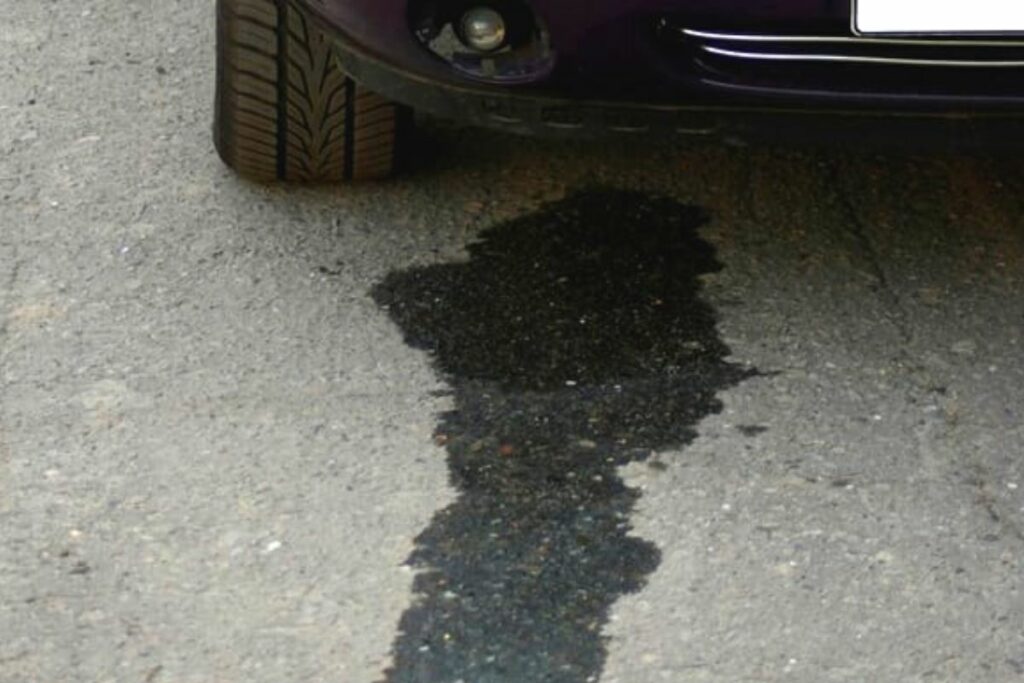
One of the most common signs your shock absorber needs to be changed is when it starts to leak. As it is a hydraulic device, it contains fluid. If you notice even the slightest leak, take your car in for a check-up. To ensure you don’t miss any signs of leakage, check your car parts frequently for tell-tale signs.
2. Nose-diving & veering
If the fluid in your shock absorber has passed the seal, your car might swerve and lurch forward when using your brakes. This feels like a forward jerking movement and can affect your brake speed and distance as well. If it’s something you notice occurring with your vehicle, do not put off a check-up as you can lose control while driving.
3. Intense vibrations
Like nose-diving, a worn-out shock absorber shows up in excessive vibrations while driving, especially if the vibrations seem to come from your steering wheel. It’s important to be mindful and aware of your car’s movements to ensure a smooth and safe journey.
4. Bouncy & bumpy rides
If you want to test your vehicle’s shock absorber, try driving over a bump and see how long your vehicle continues to bounce. Movements that last longer than usual (or after you have passed the bump) is an indicator of distress on your shock absorbers.
5. Unstable steering wheel
Another indicator is when your steering wheel vibrates, shakes or appears unstable while driving on bumpy roads. If you notice a change in the way your car behaves, it’s time to take it in.
6. Cupped tyres
Worn out shock absorbers impact your tyres due to excessive shock. Check your tyres and look for dents, otherwise known as ‘cupping’ along the tire threads. If present, you would need to change your shock absorbers and impacted tyres.
FAQ about shock absorbers
How many shock absorbers does a car have?
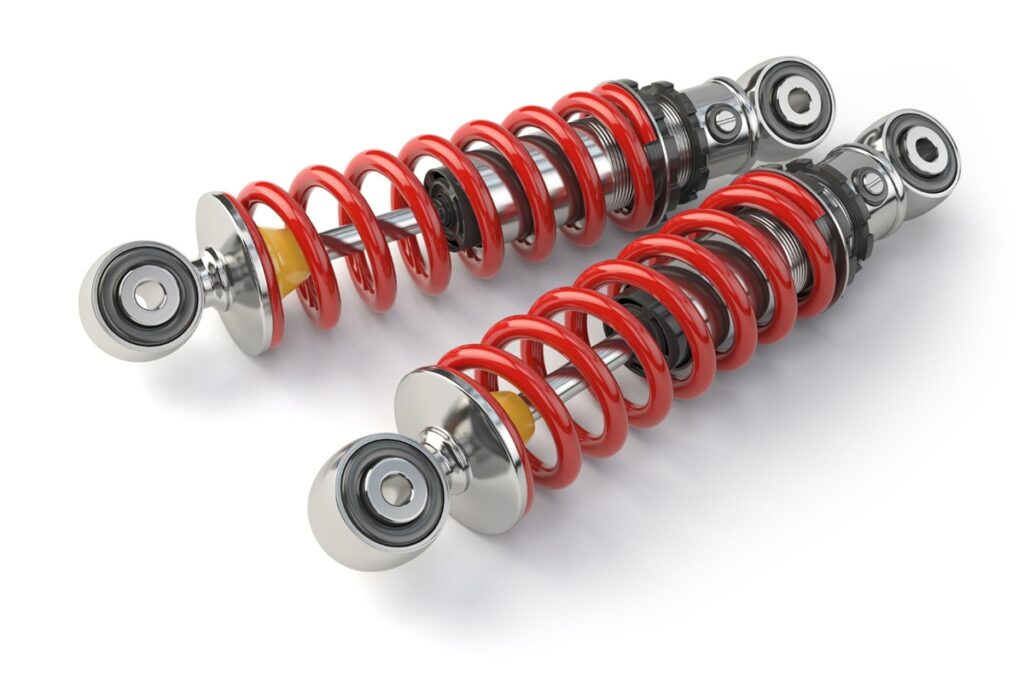
Most standard passenger cars have four shock absorbers, with one installed at each wheel. Each shock absorber supports a specific wheel and operates independently to control its movement when driving over uneven road surfaces.
What is the lifespan of a shock absorber?
Vehicle shock absorbers typically last between 80,000-160,000 kilometers. However, their lifespan also depends on your driving habist and the condition of the roads you drive on.
How much does it cost to replace a shock absorber?
Shock absorber replacement costs around RM800 to RM3,000. However, there is no fixed price for car shock absorbers, as the cost depends on the vehicle model, the type of shock absorber, and the brand selected.
For example, for regular economy cars, the cost is usually between RM400 and RM800. In contrast, shock absorbers for luxury or performance vehicles can cost RM1,500 or more per unit. If you choose high-performance shock absorbers or air suspension systems, the overall cost will increase significantly.
What causes shock absorbers to fail?
Shock absorber failure usually happens due to wear and tear over time, road impact, or damage to internal components.
Common causes include:
- Worn or damaged seals and bushings
- Bent or damaged piston rod from impact or accidents
- Corrosion due to water, dirt, and poor maintenance
- Overloading the vehicle regularly
- Long-term wear from rough road conditions
What are the first signs of bad shocks?
The first signs of worn shock absorbers usually include a bouncy ride, nose-diving during braking, steering wheel vibrations, unusual knocking sounds, uneven tyre wear, or leaking fluid. These symptoms can affect driving comfort, stability, and braking performance.
Do I need to replace all four absorbers, or can I replace just one?
It is best to replace absorbers in pairs (either both front or both rear) to maintain balanced handling and stability. For optimal performance, replacing all four at the same time is recommended.
Are shocks covered under insurance or takaful?
Car insurance or takaful does not cover shock absorbers if they are damaged due to normal wear and tear. However, if they are damaged due to an accident, they are covered under a comprehensive plan.
From this article, you can see how a small component can affect the overall car from the steering wheel to your tyres. However, the importance of a shock absorber in ensuring the safety of drivers and passengers is not talked about enough. If you have read this far and are aware of its functions and warning signs to look out for, share the information with other drivers to keep each other safe on the road.
Sources: Able Tire and Brake, Master-Sport.de, Monroe, MSG Equipment, WapCar, YMF Car Parts
The benefit(s) payable under eligible product(s) is(are) protected by PIDM up to limits. Please refer to PIDM’s TIPS Brochure or contact Etiqa General Insurance Berhad or Etiqa General Takaful Berhad or PIDM (visit www.pidm.gov.my) I Member of PIDM
The information contained in this blog is provided for informational purposes only and should not be expressly or impliedly construed as advice on any matter. Etiqa General Insurance Berhad or Etiqa General Takaful Berhad accepts no responsibility for loss which may arise from reliance on information contained in the article. This information is correct as of 10th July 2026.
